

Introduction
It can be frustrating when you try to do everything right, and falling asleep is still hard. Yet for many Malaysians, this is a common experience. A peer-reviewed study of 11,356 working adults found that Malaysians average just 6.49 hours of sleep a night, with more than half sleeping less than the recommended seven hours.
The consequences go beyond feeling tired. Poor sleep is linked to serious health risks, including cardiovascular disease, obesity, and diabetes. So what can actually help? In this article, we explore magnesium, why it’s gaining attention as a sleep aid, the science behind how it works, and what supplement brands should know about producing it through OEM and ODM manufacturing.
What is Magnesium?
Magnesium is an essential mineral that the body needs to regulate muscle and nerve function, blood sugar levels, blood pressure, and the production of protein, bone, and DNA.
According to the National Institutes of Health, most magnesium is stored in the bones, making up 50% to 60% of the body’s total magnesium. The rest is found mainly in soft tissues, with less than 1% present in the blood serum.
How Much Magnesium Should A Person Have?
The recommended daily intake of magnesium varies depending on age and life stage. As a general guide:
- Adults: 310 to 420 mg per day
- Infants: 80-240 mg per day
- Children: 30-75 mg per day
Who is More at Risk of Having a Magnesium Deficiency?
- People With Digestive Disorders
Conditions such as Crohn’s disease, celiac disease, and irritable bowel syndrome (IBS) can make it harder for the body to absorb magnesium properly. Over time, this may increase the risk of deficiency.
- Individuals With Type 2 Diabetes
People with type 2 diabetes, particularly those with poorly controlled blood sugar, tend to lose more magnesium through urine. High blood sugar levels increase magnesium excretion, creating a cycle where deficiency can also worsen insulin resistance, making blood sugar management more difficult.
- Older Adults
As we age, the body generally becomes less efficient at absorbing magnesium. Older adults are also more likely to take medications that may affect magnesium levels, which can further increase the risk of deficiency.
- People Who Drink Alcohol Regularly
Frequent alcohol consumption affects magnesium levels in several ways: it increases magnesium loss through urine, can damage the digestive tract’s ability to absorb nutrients, and is often linked to poor overall dietary intake. This combination makes regular drinkers particularly susceptible to deficiency.
- People on Certain Medications
Some medications, including proton pump inhibitors (PPIs) used for acid reflux and certain diuretics, may affect magnesium levels when used long term. Individuals taking these medications should discuss any concerns with their healthcare provider.
- People With Poor Dietary Intake
A diet low in magnesium-rich foods, such as leafy greens, nuts, seeds, legumes, and whole grains, can increase the likelihood of deficiency. This is particularly common in diets that rely heavily on highly processed foods.
How Does Magnesium Help You Sleep?

Magnesium supports sleep in several ways:
- Calms the nervous system: Magnesium supports GABA activity, a neurotransmitter that reduces excitatory signals in the brain, making it easier to wind down.
- Supports melatonin production: Magnesium helps regulate melatonin, which aligns the sleep-wake cycle and promotes deeper, more stable sleep.
- Relaxes muscles: Magnesium acts as a calcium antagonist and regulates ion channels, reducing tension and cramps that may disrupt sleep.
- Lowers cortisol: Magnesium may help reduce cortisol, the stress hormone that keeps the body in an alert state, promoting a greater sense of calm before bed.
- Restless Legs Syndrome support: May help relieve symptoms of Restless Legs Syndrome (a sleep disorder that causes uncomfortable leg sensations), especially when combined with vitamin B6.
How Do We Get Magnesium?
Magnesium is naturally found in many foods and is also widely available in supplement form. Understanding these sources can help when evaluating magnesium intake and developing magnesium-based products.
Common Food Sources for Magnesium

These foods naturally contain magnesium and can contribute a significant portion of daily magnesium needs when included regularly in the diet:
- Seeds and nuts: Pumpkin seeds, chia seeds, almonds, and cashews
- Leafy greens: Spinach and other dark green vegetables
- Whole grains: Quinoa and brown rice
- Legumes and plant proteins: Black beans, chickpeas, and tofu
- Other foods: Avocados, bananas, dark chocolate, and fatty fish such as salmon
Magnesium Supplements
When dietary intake is insufficient, some people turn to magnesium supplements to help meet their daily needs.
Supplements provide a more convenient and concentrated source of magnesium, especially for those with busy lifestyles or dietary restrictions.
A Guide to the Different Types of Magnesium Supplements
Magnesium supplements come in different forms depending on what the mineral is combined with, and this affects how well the body absorbs them. There are many combinations available, but here are the most common forms used for sleep:
1. Magnesium Glycinate:
- Magnesium combined with glycine, a non-essential amino acid used in protein production
- Supports relaxation and may promote deeper slow-wave sleep
- May help reduce anxiety and muscle tension
- Generally gentle on the stomach
2. Magnesium L-Threonate:
- Magnesium combined with threonic acid, a compound derived from the breakdown of vitamin C
- Easily absorbed and able to increase magnesium levels in the brain
- May support deeper and REM sleep stages
- Also associated with improved mood and daytime alertness
3. Magnesium Citrate:
- Magnesium combined with citric acid
- Well absorbed but may have laxative effects at higher doses
- Often used by individuals experiencing constipation alongside mild sleep issues
4. Magnesium Oxide:
- Magnesium combined with oxygen
- Common and budget-friendly option for general supplementation
- Lower absorption compared to other forms
- Less commonly used in powder formulations due to poor solubility
Comparison Table of the Different Magnesium Supplements for Sleep
| Form | Sleep Benefits | Absorption & Notes | Best Suited For |
| Magnesium Glycinate | Supports relaxation, reduces anxiety and muscle tension, and may promote deeper sleep | Highly absorbable and gentle on the stomach | Stress-related sleep issues or insomnia |
| Magnesium L-Threonate | May support deeper and REM sleep while improving brain magnesium levels | Well absorbed and able to cross the blood-brain barrier | Cognitive-related sleep issues or mental fatigue |
| Magnesium Citrate | Provides general relaxation but may indirectly support sleep | Well absorbed but can have laxative effects at higher doses | Individuals with constipation and mild sleep difficulties |
| Magnesium Oxide | Limited direct sleep benefits compared to other forms | Lower absorption; commonly used for general supplementation | Budget-friendly option for general magnesium intake |
Choosing a Magnesium Supplement for Sleep

Whether you are selecting a magnesium supplement for personal use or developing a magnesium-based product, there are several factors worth considering.
1. Determine the Intended Purpose
Not every magnesium product is designed for the same goal. Some formulations focus on sleep and relaxation, while others target muscle recovery, bone health, hydration, or general wellness. Having a clear purpose helps guide ingredient selection and formulation decisions.
2. Consider Individual Needs and Target Consumers
Factors such as age, lifestyle, dietary habits, existing health conditions, and medication use can influence suitability. For manufacturers, understanding the target consumer group is important when determining dosage levels, ingredient combinations, and product positioning.
3. Evaluate Format and Ingredients
Magnesium supplements are available in formats such as capsules, powders, gummies, beverages, and drink mixes. Product format can affect convenience, consumer preference, and formulation requirements. It is also worth reviewing ingredient lists for sweeteners, flavourings, fillers, and other added ingredients.
4. Look for Quality and Transparency
Whether purchasing or developing a product, quality should be a priority. Clear ingredient sourcing, transparent labelling, appropriate testing, and compliance with relevant regulations can help support product quality, safety, and consumer confidence.
Are There Any Side Effects of Magnesium?
Magnesium is generally well tolerated when consumed at appropriate levels. However, like many nutrients, taking too much magnesium, particularly from supplements, may cause side effects in some individuals.
Common Side Effects
These side effects are usually mild and are more likely to occur at higher doses:
- Digestive discomfort: Diarrhoea, loose stools, stomach cramps, nausea, or abdominal discomfort are among the most commonly reported side effects.
- Drowsiness or fatigue: Magnesium has a calming effect on the body, so some people may feel unusually sleepy or sluggish when taking larger amounts.
In many cases, these effects can be reduced by lowering the dosage, splitting the daily intake, or choosing a different form of magnesium.
Who Should Be More Cautious?
While serious side effects are uncommon, certain groups may be at a higher risk of experiencing problems with magnesium supplementation:
- People with kidney conditions, as the body may have difficulty removing excess magnesium.
- Older adults, who may have reduced kidney function or take multiple medications.
- People with certain heart conditions or those taking medications that may interact with magnesium.
How to Reduce the Risk of Side Effects
A few simple steps can help minimise the risk of unwanted effects:
- Follow the recommended serving size and avoid excessive supplementation.
- Consider obtaining magnesium through foods such as nuts, seeds, legumes, leafy greens, and whole grains whenever possible.
- Start with a lower dose and increase gradually if needed.
- Consult a healthcare professional before taking magnesium supplements if you have existing medical conditions or take regular medications.
For supplement brands, careful dosage selection and clear labelling are important to help ensure products are both effective and suitable for their intended consumers.
Common Ingredients Paired with Magnesium Formulations
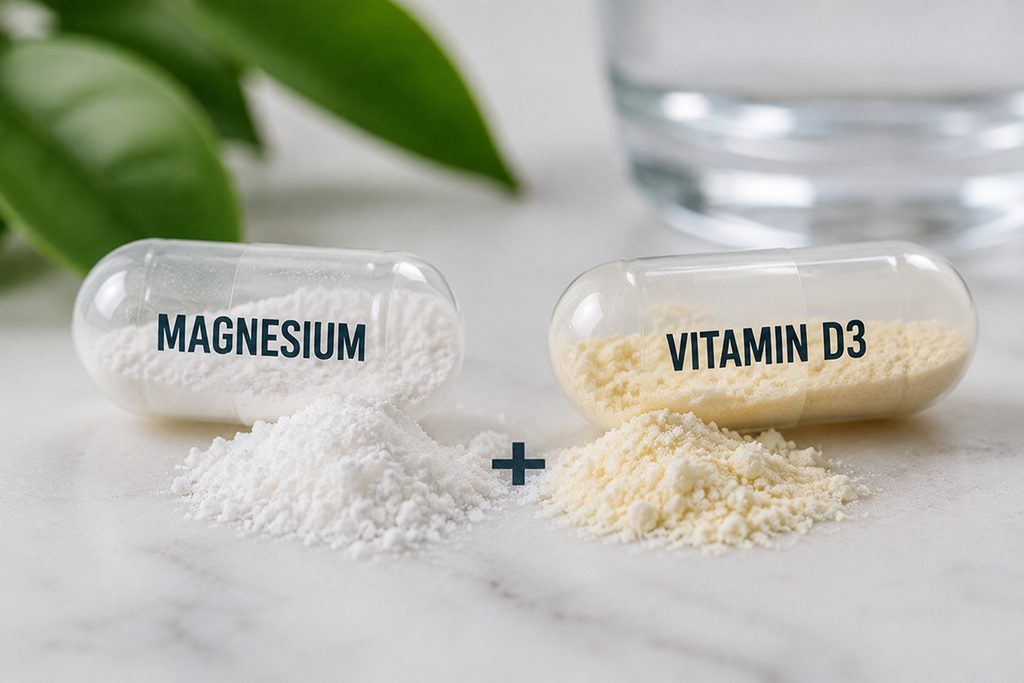
Magnesium is often combined with other nutrients and functional ingredients to create more targeted formulations. Some of the most common combinations include:
1. Magnesium + Vitamin D
Magnesium plays a role in vitamin D metabolism, which is why the two ingredients are often paired together. This combination is commonly used in bone health, immune support, and general wellness products.
2. Magnesium + Vitamin B6
Vitamin B6 is frequently combined with magnesium in formulations designed to support relaxation, stress management, and premenstrual wellbeing. The pairing is particularly popular in products targeted at individuals with busy or demanding lifestyles.
3. Magnesium + Calcium
Magnesium and calcium work together to support normal muscle function and bone health. They are commonly found in bone-support formulations and products aimed at maintaining healthy ageing.
However, formulation and dosage levels should be carefully considered, as high doses of calcium may affect magnesium absorption when consumed at the same time.
4. Magnesium + Zinc
This combination is often used in wellness, sports nutrition, and recovery-focused products. Both minerals play important roles in various biological processes, including immune function and protein synthesis.
As with calcium, manufacturers should consider dosage and formulation strategies, as high doses of zinc may compete with magnesium for absorption when taken together.
5. Magnesium + Potassium
As two important electrolytes, magnesium and potassium are frequently included in hydration, muscle support, and active lifestyle formulations.
6. Magnesium + L-Theanine or Ashwagandha
These ingredients are commonly paired with magnesium in relaxation and sleep-support products. Together, they are frequently used in formulations designed to promote calmness and support better rest.
Important Considerations for Magnesium Combinations

Magnesium is often combined with minerals such as calcium, zinc, and iron, and in many cases these combinations work well. However, when certain minerals are included at higher doses, they may compete with magnesium for absorption in the digestive tract.
- Calcium: Large amounts of calcium taken alongside magnesium may reduce how much magnesium the body absorbs.
- Zinc: High levels of zinc may also compete with magnesium for absorption.
- Iron: Iron can have a similar effect when included in higher-dose formulations.
This does not mean these ingredients should be avoided together. It simply means that dosage levels and ingredient ratios need to be carefully considered to ensure the formulation performs as intended.
Conclusion
Awareness around sleep health is growing, and so is the demand for solutions that actually help. Magnesium has emerged as an option worth considering, supported by its role in relaxation, hormone regulation, and nervous system function.
For brands looking to meet this demand, Beauty Scientist offers OEM and ODM supplement solutions to support the development of high-quality magnesium products backed by science and designed for today’s consumers. Whether you are exploring a sleep-focused formulation or a broader wellness product, our team can help guide you through the development process. Contact us today to learn more about how we can support your next product launch.
Frequently Asked Questions
1. Is taking magnesium for sleep safe?
Yes. Magnesium is generally safe for healthy adults when taken at the recommended doses of 200 to 350 mg per night. People with kidney problems should avoid supplementation without medical advice, though.
2. How do I know if I have a magnesium deficiency?
Magnesium status is commonly checked through a serum blood test, although it may not fully reflect total body levels.
Common physical signs of deficiency include fatigue, muscle cramps, weakness, and nausea, while severe deficiency may lead to irregular heart rhythms.
3. What is the best type of magnesium for sleep?
Magnesium glycinate is often preferred for sleep because it is well absorbed and has calming effects. Magnesium L-threonate may also support sleep by increasing magnesium levels in the brain.
4. Do magnesium sprays work?
Oral magnesium supplements may be more effective for improving sleep. Magnesium sprays may help with local muscle relaxation, but their absorption through the skin is considered limited.
5. What is the difference between magnesium and melatonin?
Magnesium is a mineral that supports sleep by promoting relaxation and regulating neurotransmitters such as GABA. Melatonin is a hormone that signals the body when it is time to sleep and helps regulate the sleep-wake cycle.
6. How much magnesium should you take for sleep?
Most sleep formulations recommend 200 to 350mg of magnesium taken in the evening. The exact amount may vary depending on the supplement form and product label.
7. How soon does magnesium start working for sleep?
- Calming effects: Some people may notice relaxation within an hour.
- Sleep improvements: Better sleep quality may develop after one to four weeks of consistent use.